Senior Product Designer · Product Manager background
I shape complexdigital productsfrom discovery toshipped experience.
Senior product designer with 16 years across brand, art direction and digital product. I own the work end to end — from discovery research and product strategy to design systems and accessible, shipped interfaces — across fintech, payments, cashback, Web3 and gaming.
- Ankara, Türkiye
- Product Design
- Design Systems
- Discovery & Usability
- Accessibility · WCAG · EAA
- Mobile · Web · Backoffice
- AI product UX
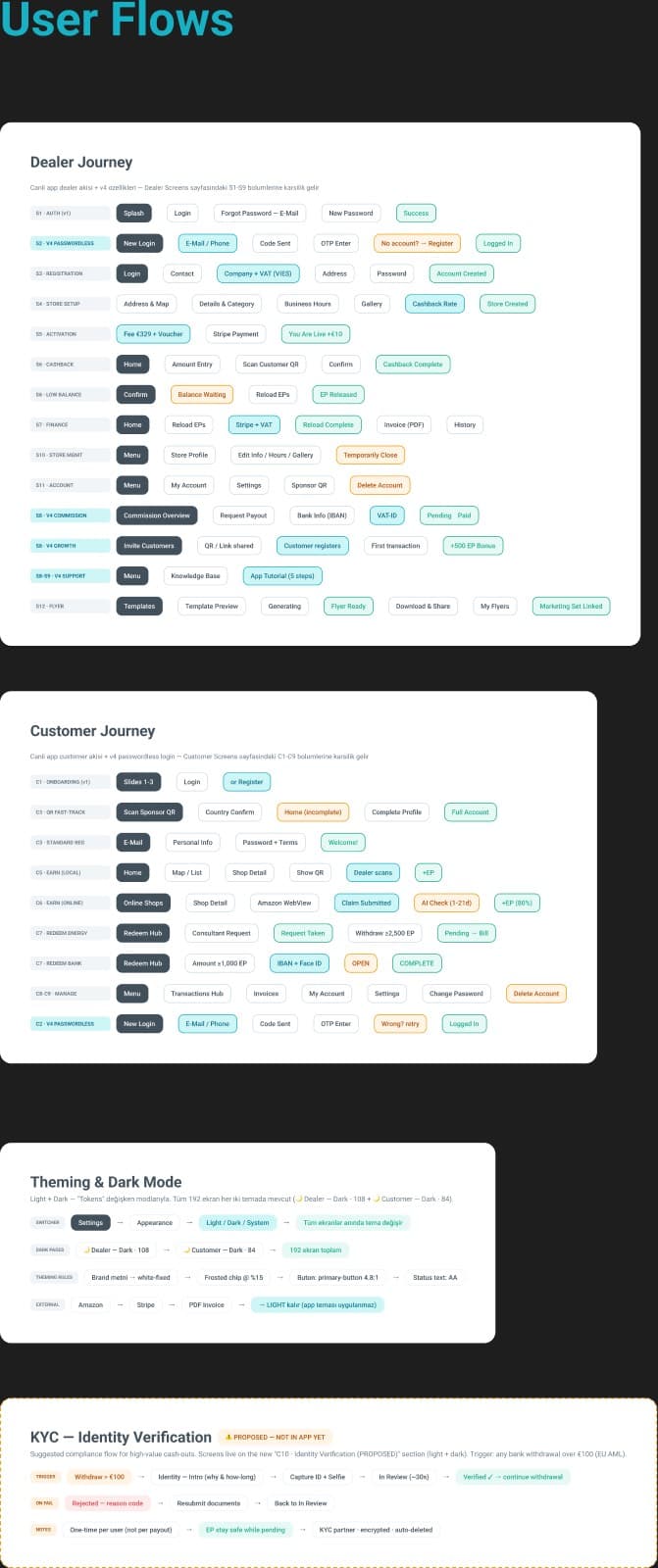
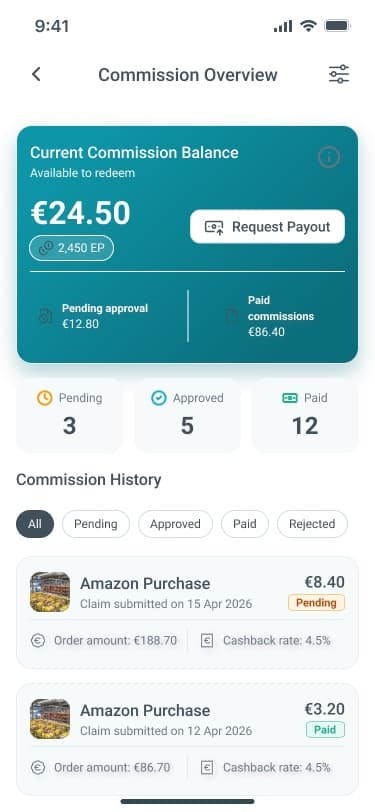
Strategy, interface systems and handoff clarity in one operating model.
- 16 yrs
- brand, art direction & digital product
- 40+
- products delivered
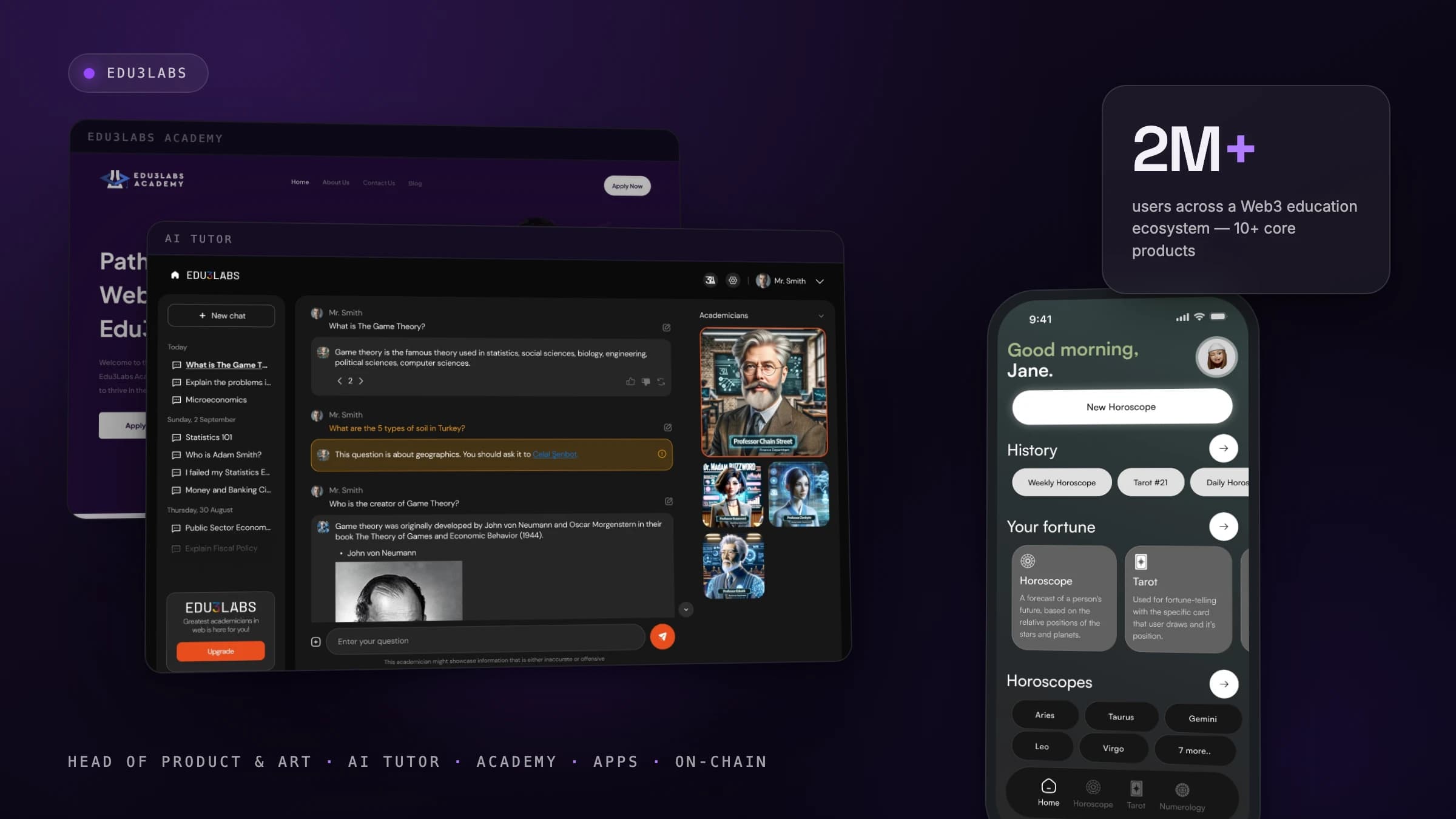
- 2M+
- users on one ecosystem
- 385
- screens for one 0-to-1 launch
Selected case signals
Selected Work
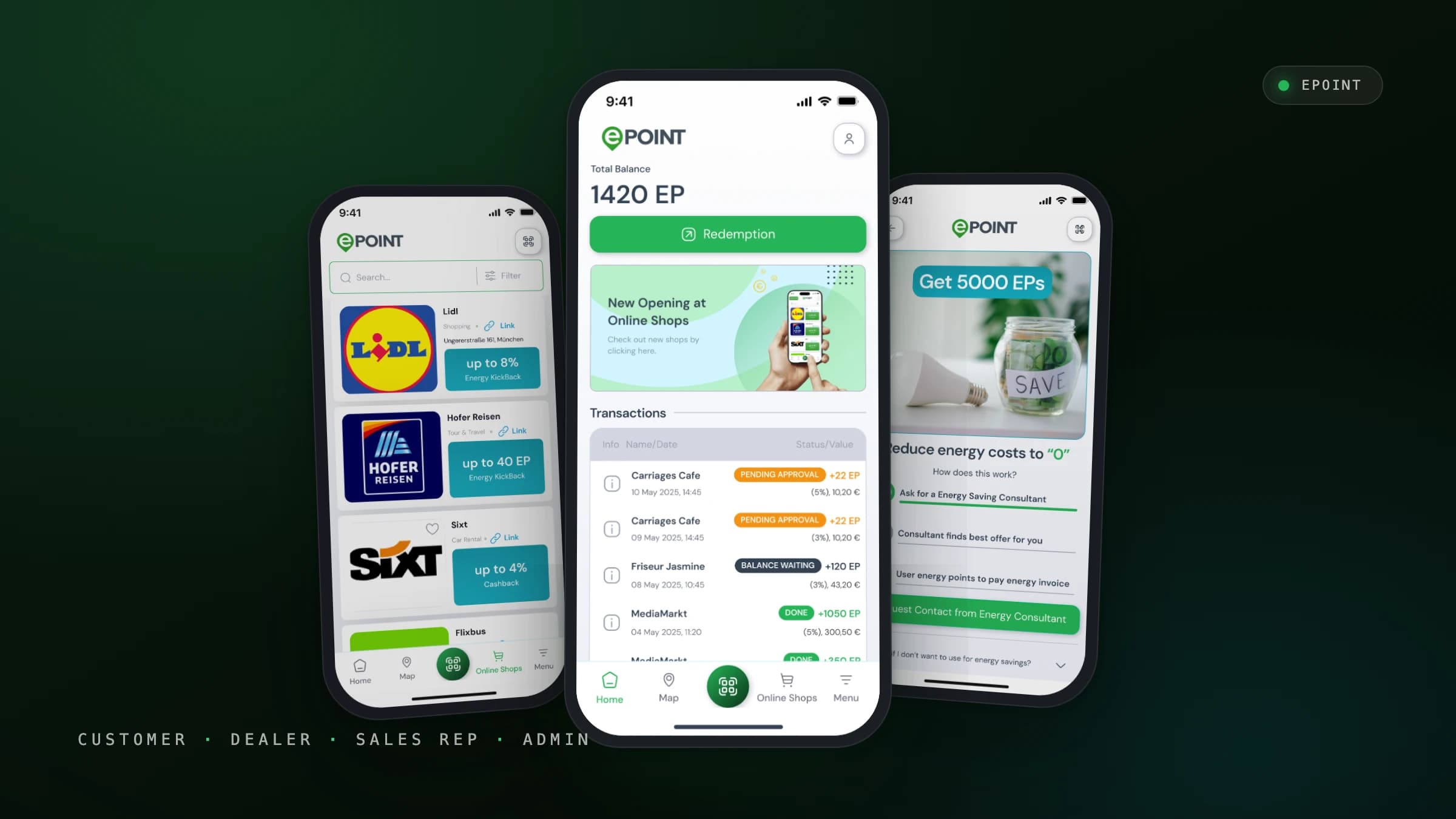
7 selected cases — product · systems · brand · venture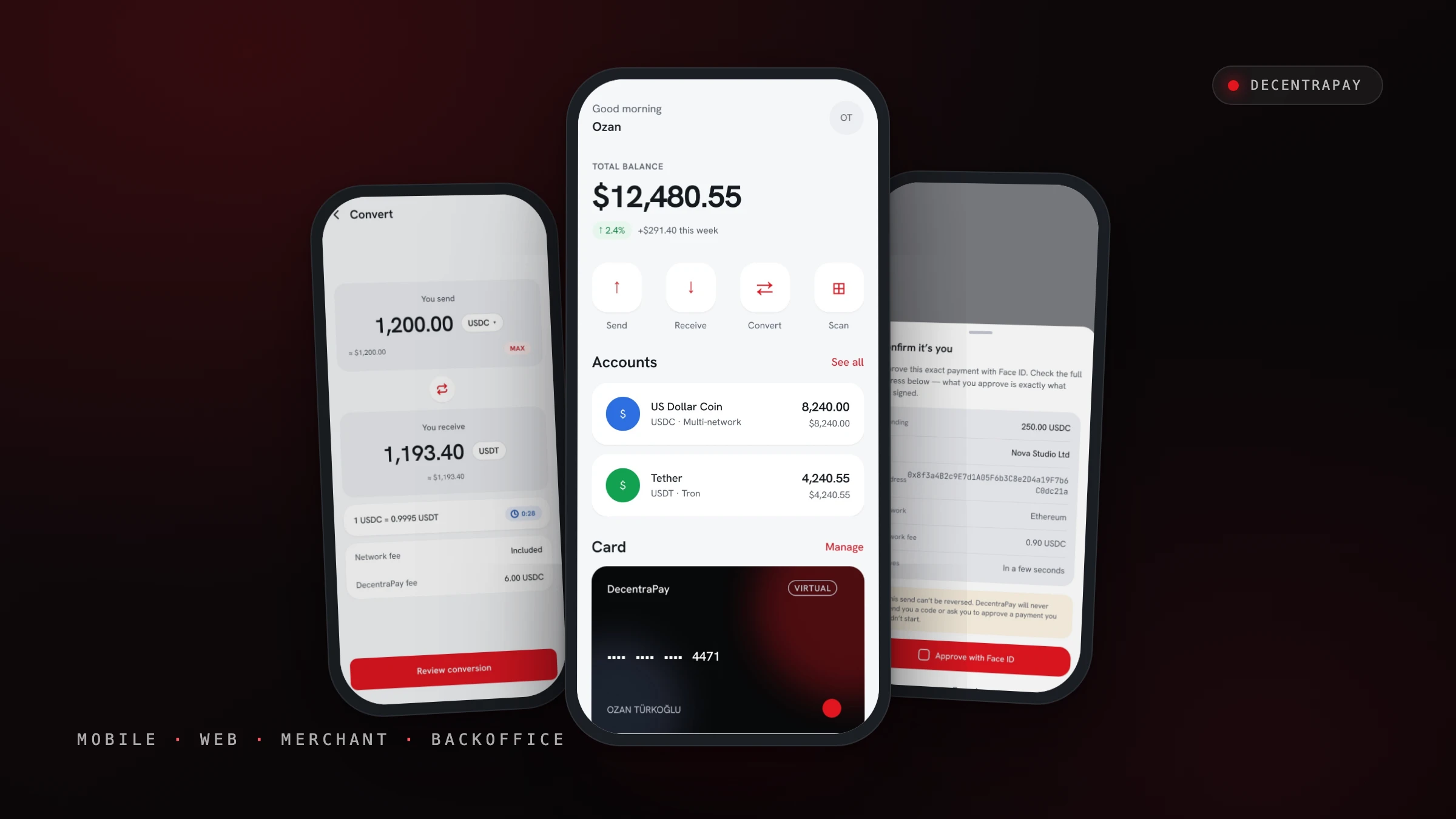
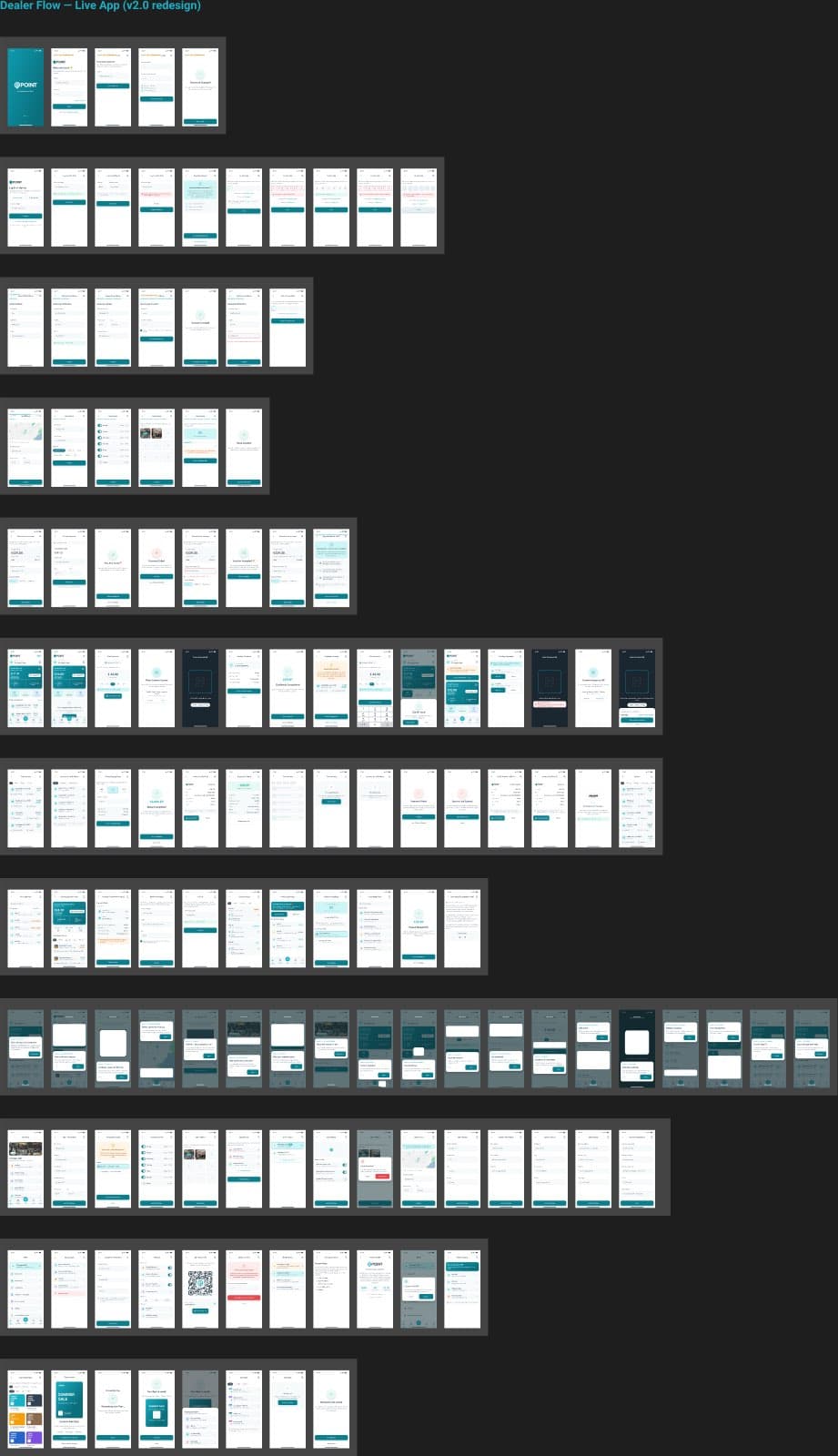
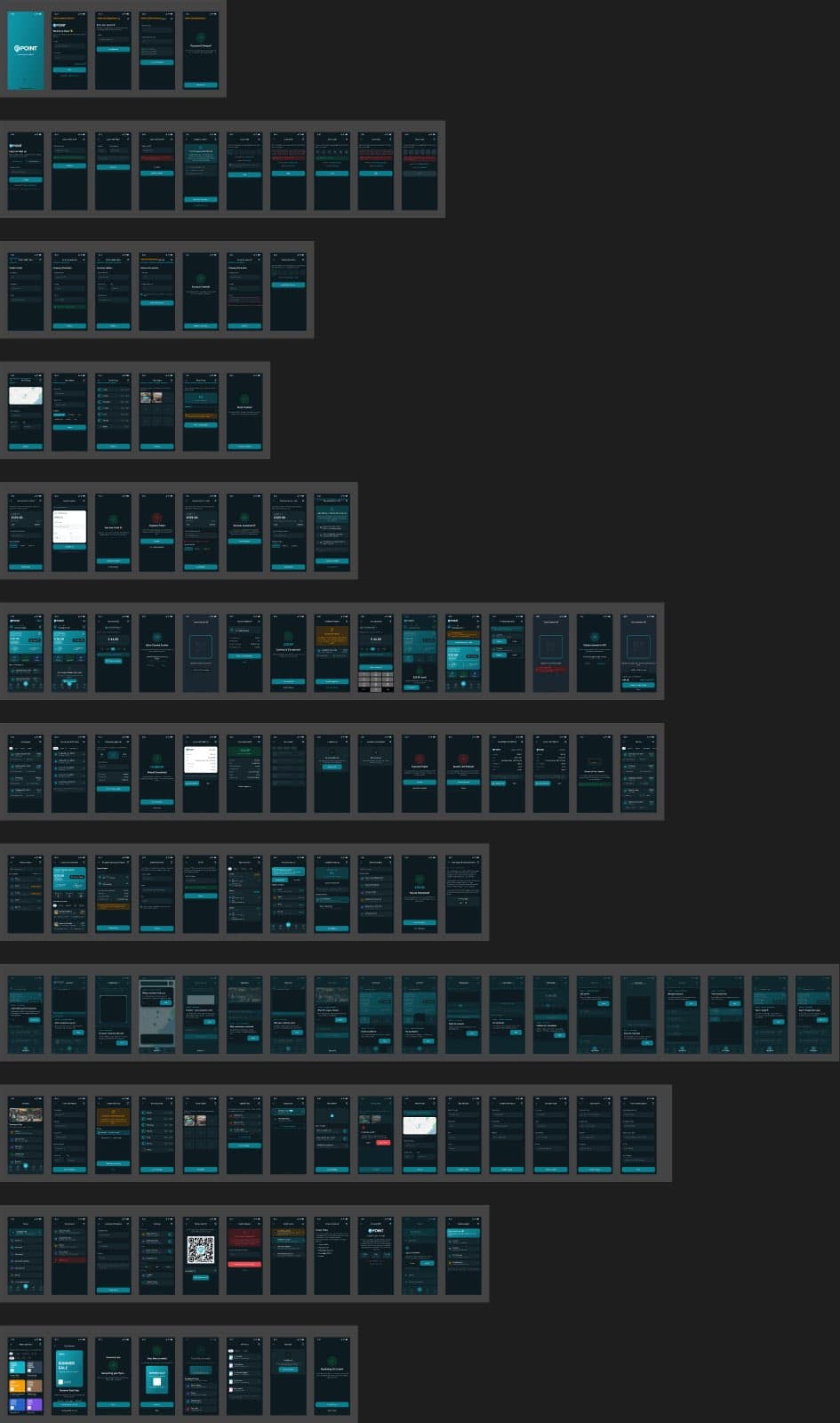
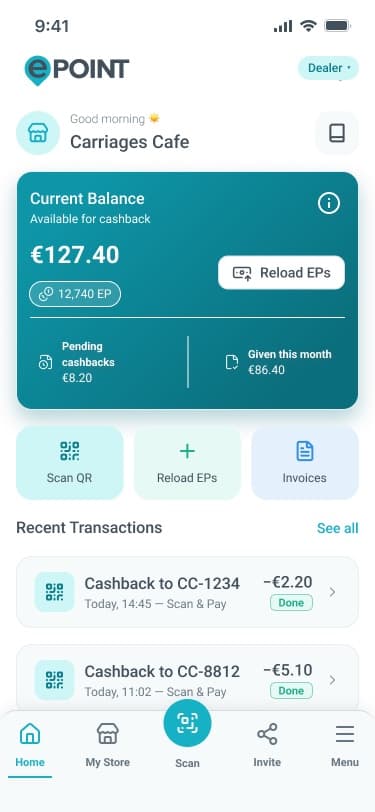
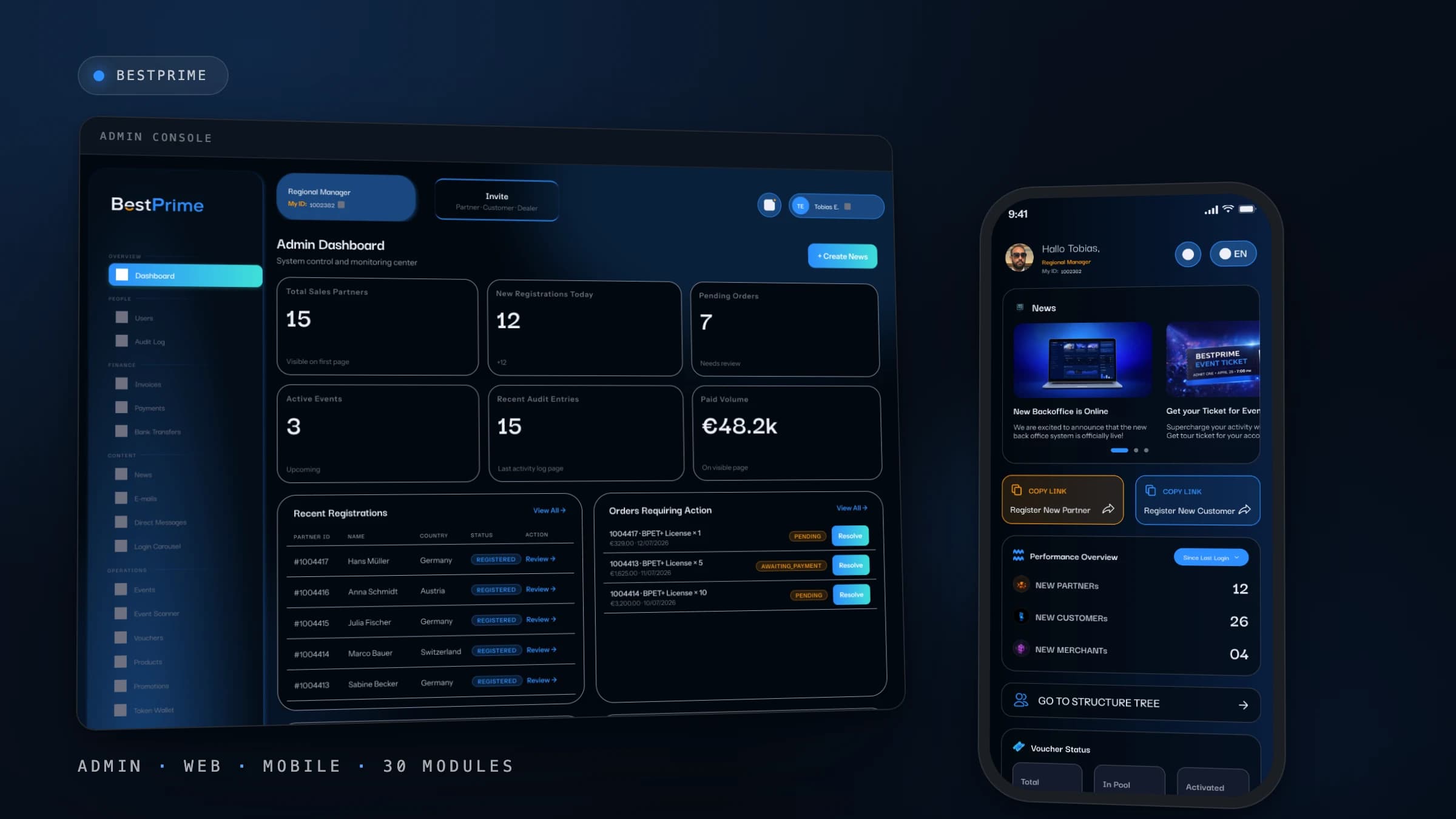
What I do
six capabilities, one operatorProduct Strategy
Turning unclear ideas into structured opportunities, product scopes, user journeys and delivery plans.
UX & Product Design
Designing flows, screens, systems and interactions for complex, multi-sided digital products.
Product Management
Translating business needs into requirements, priorities, roadmaps and team-ready tasks in Jira/Trello.
Design Systems
Building scalable UI foundations — components, tokens, modes and documentation that survive product growth.
Interface & Brand Direction
Giving products a visual language that feels credible, distinct and coherent across every touchpoint.
AI Product UX
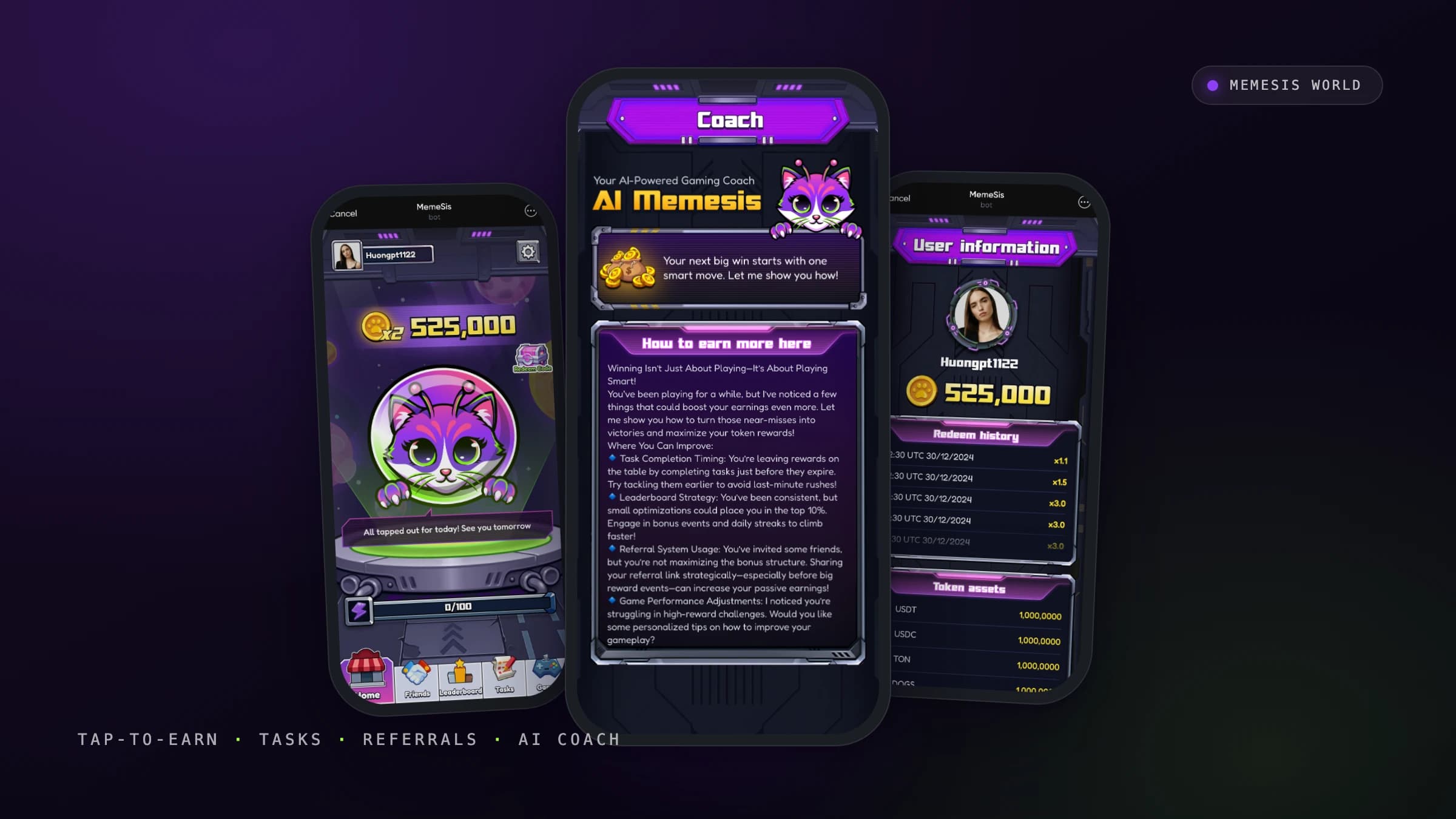
Designing AI as a product surface — conversational tutors and in-product coaches (Edu3Labs, Memesis) built with honest limits — plus AI-assisted workflows that accelerate delivery.
Product operating system
idea → shippedHow I turn complexity into shipped product.
Understand the business
Goals, constraints, money flows, who pays and why.
Map the product logic
Roles, rules, states — the system before the screens.
Define user flows
Journeys per role, edge cases included from day one.
Design the interface system
Tokens, components, then screens — in that order.
Align stakeholders
Decisions made visible; disagreements resolved on artifacts.
Prepare implementation-ready specs
Handoff that answers questions before they're asked.
Support development
Present through build — reviewing, unblocking, adjusting.
Test, refine, ship
Usability testing with real users, regression suites and persona reviews — then release.
- Requirements → flows → UI → handoff
- Business logic → product architecture → interface
- Stakeholder input → product decisions → development tasks
- Design systems → faster iteration → consistency
Built across product, design, business and delivery
Sixteen years across brand, art direction and digital product — 40+ products delivered, from a Web3 education ecosystem grown to 2M+ users to live EU fintech and loyalty platforms, many taken 0-to-1 through discovery, design systems and shipped, accessible interfaces.
Qualitative proof over invented numbers — every figure on this site comes from real files.
Where I create leverage for teams
References available upon request.Turning ambiguity into structure
A loose idea leaves the room as requirements, user flows and sprint-ready tasks with acceptance criteria.
Owning the design–engineering seam
Handoffs that answer async states, validation and i18n before they're asked — fewer surprises mid-sprint.
Design systems that survive delivery
Tokens and components built to ship and re-ship, not to decorate a Figma file.
Multi-role product thinking
Customers, merchants, operators and admins held in one coherent product model.
Honest scoping
Including “don't build this yet” when the business case isn't there — with the reasoning attached.
Quality as a system
Automated UI suites and persona reviews wired into delivery, not bolted on afterwards.
Lab
AI-assisted product buildingFaster product thinking with AI-assisted execution.
I use AI-assisted workflows to move faster from product thinking to implementation-ready output — not to replace product judgment, but to compress the distance between idea, prototype, specification and build.
From Figma to coded prototype
Design files become working Next.js builds through Figma MCP and Claude Code — the gap between mockup and testable product measured in hours.
From vague brief to implementation-ready scope
Briefs turn into PRDs, user flows and structured task boards — AI drafts, product judgment decides.
From product idea to tested flow
New features ship with AI-drafted QA plans and automated UI test suites before users ever see them.
Open to senior product design roles